
The Ultimate Guide to
Custom Product Labels
for South African Businesses
Whether you are launching a new product or ready to take an existing range onto more competitive shelves, custom product labels are the single most powerful investment you can make in your brand. This guide covers everything — from material selection to SABS compliance.
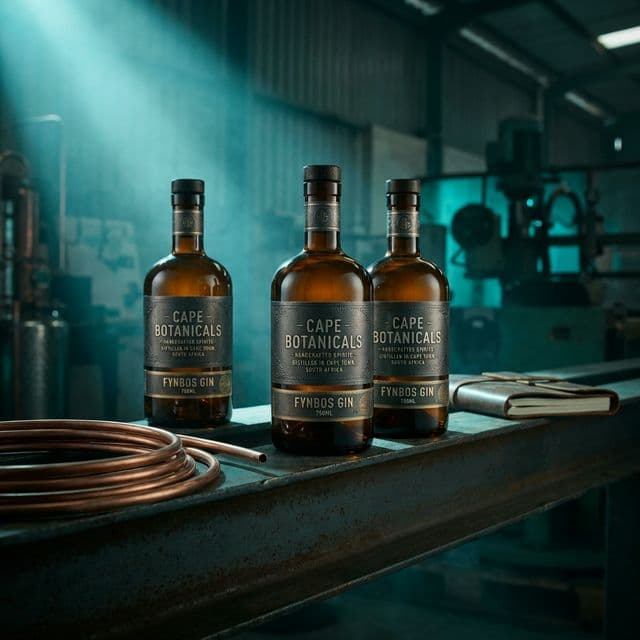
Why Custom Product Labels Define Your Brand
In the South African retail landscape — from independent health stores to national chains like Checkers, Clicks, and Woolworths — a product label is doing significant work long before any human interaction. It communicates trust, communicates origin, and communicates value within milliseconds.
Packaging labels are the primary brand identity vehicle for physical products. Unlike a website or social media profile that consumers engage with intentionally, a label is encountered passively — which means it has to work harder and faster to communicate the right message.
Custom product labels — designed specifically for your brand, your product, and your target consumer — outperform generic labels in shelf standout, brand recognition, and perceived quality. This is not just aesthetics. It is competitive strategy.
Choosing the Right Label Material: A South African Buyer's Guide
South Africa's diverse product categories — from biltong and skincare to artisanal honey and industrial lubricants — demand different label materials. Here is how to match material to application:
💧
BOPP (Biaxially Oriented Polypropylene)
Water, oil, and moisture resistant. Ideal for beverages, sauces, marinades, cosmetics, cleaning products. Survives refrigeration and condensation.
📦
Matte White Paper
Premium tactile feel for artisan and craft products. Suited for dry retail goods, candles, chocolates, and specialty foods.
✨
Gloss Laminate Paper
High-vibrancy colour rendering for FMCG products competing on shelf brightness. Provides moderate moisture resistance.
🔍
Clear BOPP
The 'no-label' look — transparency shows the product behind it. Popular in premium beverages, cosmetics, and glass jar products.
🏆
Metallised/Foil
Maximum premium perception for luxury food, spirits, supplements, and beauty products. Strong shelf standout and high perceived value.
⚗️
Synthetic PET
Chemically resistant for industrial, pharmaceutical, and laboratory products. Will not tear or react with aggressive substances.
SA Regulatory Compliance: What Your Label Must Include
South Africa has clear product labelling requirements governed by the Consumer Protection Act (CPA), the Foodstuffs Act, and sector-specific SABS and DAFF regulations. For businesses selling to retail chains, non-compliance means rejection at the buyer level.
At a minimum, a compliant South African food product label must include:
- Product name and description
- Complete ingredient list (in descending order of weight)
- Net content (weight, volume, or count)
- Country of origin: "Product of South Africa" or relevant declaration
- Best before / expiry date
- Name and physical address of manufacturer or importer
- Allergen declarations where applicable
- GS1- or SABS-compliant barcode (for retail distribution)
Non-food products (cosmetics, household chemicals, tools) have separate but equally specific requirements. Always engage a labelling consultant or use a printer with regulatory expertise to validate compliance before your print run.
The 5-Stage Custom Label Journey
Define Label Requirements
Identify your product category, surface type, storage conditions (refrigerated, outdoor, wet), and regulatory requirements (SABS, CPA, DAFF). These determine your material, adhesive, and ink choices.
Design for the Shelf
Your label design must be legible at arm's length, stand out against competitor products, and comply with mandatory information requirements (ingredients, country of origin, net weight, contact details).
Choose Your Material & Finish
Work with your printer to select the right label stock — BOPP for moisture resistance, paper for dry goods, PET for premium clarity. Add finishes like gloss laminate, matte, or UV spot varnish to elevate perceived value.
Request a Proof
Always approve a physical printed proof before a bulk run. Check colour accuracy against your brand guidelines, barcode scannability, and adhesion on your actual packaging.
Print and Scale
Begin with a test run of 500–1,000 units. Once you have validated market response, scale to bulk print runs to reduce your per-unit label cost and improve margin.
Label Finishes That Elevate Your Product Identification Labels
Finishing options transform a standard label into a premium brand asset:
Gloss Laminate
Vibrant, reflective, durable surface protection
Matte Laminate
Sophisticated, non-reflective — popular in premium and artisan segments
Soft-Touch Laminate
Velvety tactile feel — dramatic premium perception uplift
UV Spot Varnish
Selective gloss highlights on matte background — creates visual depth
Hot Foil Stamping
Metallic gold, silver, or custom colour foil — maximum luxury positioning
Embossing / Debossing
Three-dimensional tactile elements — rare and highly impactful
Frequently Asked Questions
What are the labelling requirements for food products in South Africa?
Food labels must comply with the Foodstuffs, Cosmetics and Disinfectants Act (Act 54 of 1972) and R146 regulations, requiring product name, ingredient list, net weight, country of origin, manufacturer details, and expiry date.
How do I get affordable custom labels for packaging in South Africa?
Order in bulk from a local South African supplier. BrandDash offers affordable custom labels with low MOQs, helping small businesses access professional-grade labels without large capital commitments.
What is the difference between branded labels and sticker label printing?
Branded labels use purpose-specific label stocks with calibrated adhesives for your product surface. For retail products, branded labels with proper material specifications are always recommended over generic stickers.
South Africa's Label Printing Specialists
Get Your Custom Labels Printed Today
BrandDash prints custom product labels for South African businesses — from 100 to 100,000+ labels, SABS-aware, at wholesale pricing.
Get a Free Quote